
For a corporation with reasonably current books, a useful planning target is to book CPA tax preparation services eight to twelve weeks before fiscal year-end. That is a scheduling recommendation, not a CRA deadline. Book earlier if you need bookkeeping cleanup, are changing accountants or are considering a significant transaction.
Waiting until the corporate return is due can leave too little time to estimate tax, arrange payment or make decisions that needed attention before year-end. The right booking date depends on your payment deadline, business complexity and the work your accountant needs to complete.
Separate your payment deadline from your filing deadline
A Canadian corporation generally has six months after its tax year-end to file its T2 corporation income tax return. Its income tax balance is generally due two months after year-end, although eligible Canadian-controlled private corporations (CCPCs) can qualify for a three-month payment deadline.
The three-month rule is conditional. Being privately owned or incorporated in Ontario does not, by itself, establish eligibility. Confirm your corporation’s position using the CRA’s corporate income tax guidance and your accountant’s advice.
For example, a corporation with a December 31 year-end generally faces a June 30 filing deadline, but its tax balance may be due at the end of February or March. Applicable weekend and public-holiday rules can affect the precise payment date.
Booking around the filing deadline can therefore mean booking after the payment deadline. Interest can arise on an unpaid balance even when the return is filed on time.
When should you book CPA tax preparation services?
Work backwards from the earliest decision or payment that needs professional input, rather than treating the T2 filing date as your starting point.
| Timing | Recommended action | Purpose |
|---|---|---|
| Eight to twelve weeks before year-end | Confirm the engagement, scope and document requirements | Reserve capacity and identify planning needs |
| Before a major transaction | Discuss the proposed transaction before signing or transferring funds | Understand tax consequences while options remain available |
| First month after year-end | Reconcile accounts and provide the agreed records | Give the preparer usable information promptly |
| Before the balance-due date | Confirm the tax estimate, instalments paid and remaining payment | Reduce the risk of interest on an unpaid balance |
| Before the filing deadline | Review and approve the completed return | Allow time for questions and submission |
These are practical milestones, not a promise that every file can be completed within a particular turnaround. Your firm may need earlier delivery dates during busy periods.
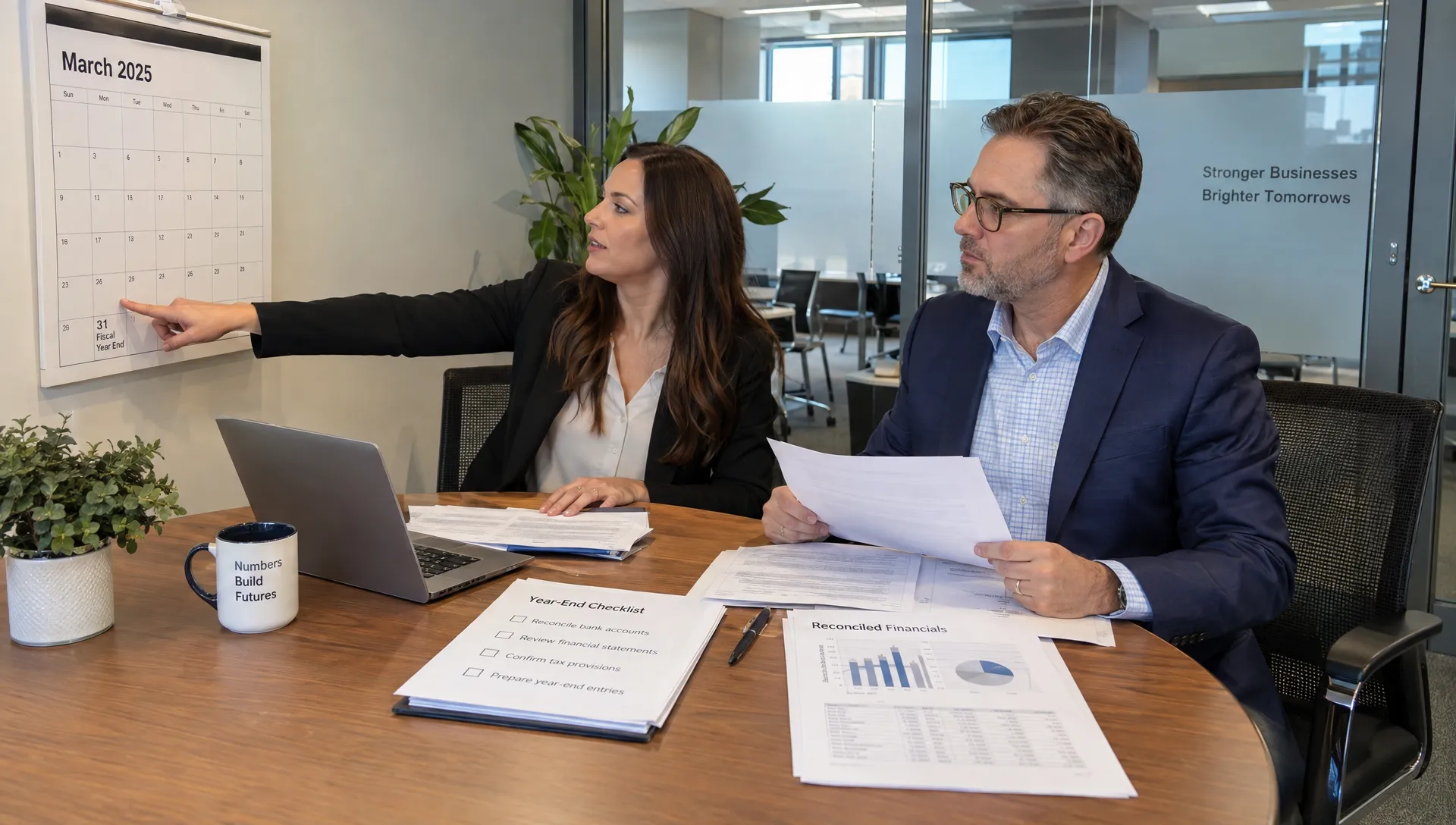
For a December 31 year-end, November is a sensible time to confirm arrangements rather than waiting until spring. If your books are several months behind, start sooner.
Booking CPA tax preparation services also does not replace instalment planning during the year. If your corporation pays instalments, understanding how a business tax planner calculates corporate instalments can help you distinguish those ongoing payments from the final year-end balance.
Situations that justify an earlier conversation
Your records need cleanup or you are switching firms
Unreconciled bank accounts, missing invoices and unexplained shareholder transactions can delay tax preparation. The accountant must first determine whether the underlying financial information is reliable enough to use.
Tell a prospective firm how current your bookkeeping really is. “Everything is entered” is not the same as having reconciled bank, credit card, payroll and GST/HST accounts.
When changing accountants, allow time for access permissions, prior-year returns, opening balances and relevant working-paper information. Ask who will request the records and whether the previous firm has outstanding work.
Engaging CPA tax preparation services earlier gives both parties time to identify gaps before a payment deadline becomes urgent. It does not eliminate the need to provide missing information.
You are considering owner payments or a significant transaction
Contact your accountant before paying a large bonus, declaring a dividend, selling major assets or reorganizing ownership. The tax treatment, documentation and reporting obligations depend on what actually happens and when.
Salary and dividend decisions also interact with the owner’s personal circumstances. Corporate fiscal year-end planning and calendar-year payroll or information-return deadlines do not always align.
An acquisition, property transfer or business sale may require advice beyond routine return preparation. Ask whether transaction planning is included or needs a separate engagement, and involve legal counsel where appropriate.
Your corporation is expanding outside Canada
Foreign customers, workers, inventory or business travel can introduce questions that should be assessed before year-end. The relevant issues differ substantially between an occasional sales trip and an ongoing presence in another country.
For a business trip to Japan, for example, retain invoices for local travel assistance booked through Japan Hand alongside the itinerary and meeting records. Identify any personal portion separately. A receipt establishes a purchase, but does not by itself establish that the expense is deductible for Canadian tax purposes.
Book CPA tax preparation services before unfamiliar cross-border activity when you need help determining what records to retain or whether specialist advice is necessary. Do not assume a standard T2 preparation fee covers foreign tax compliance.
What to have ready when you contact a firm
You do not need a perfect year-end package to make the initial enquiry. You do need enough information for the firm to assess scope, capacity and timing.
Provide your legal corporate name, fiscal year-end, business activities and the date through which bookkeeping is complete. Explain whether you have employees, inventory, investments, related corporations or foreign activity.
A useful initial document checklist includes:
- Prior-year corporate tax returns, financial statements and notices of assessment.
- Current bookkeeping reports and the status of bank and credit card reconciliations.
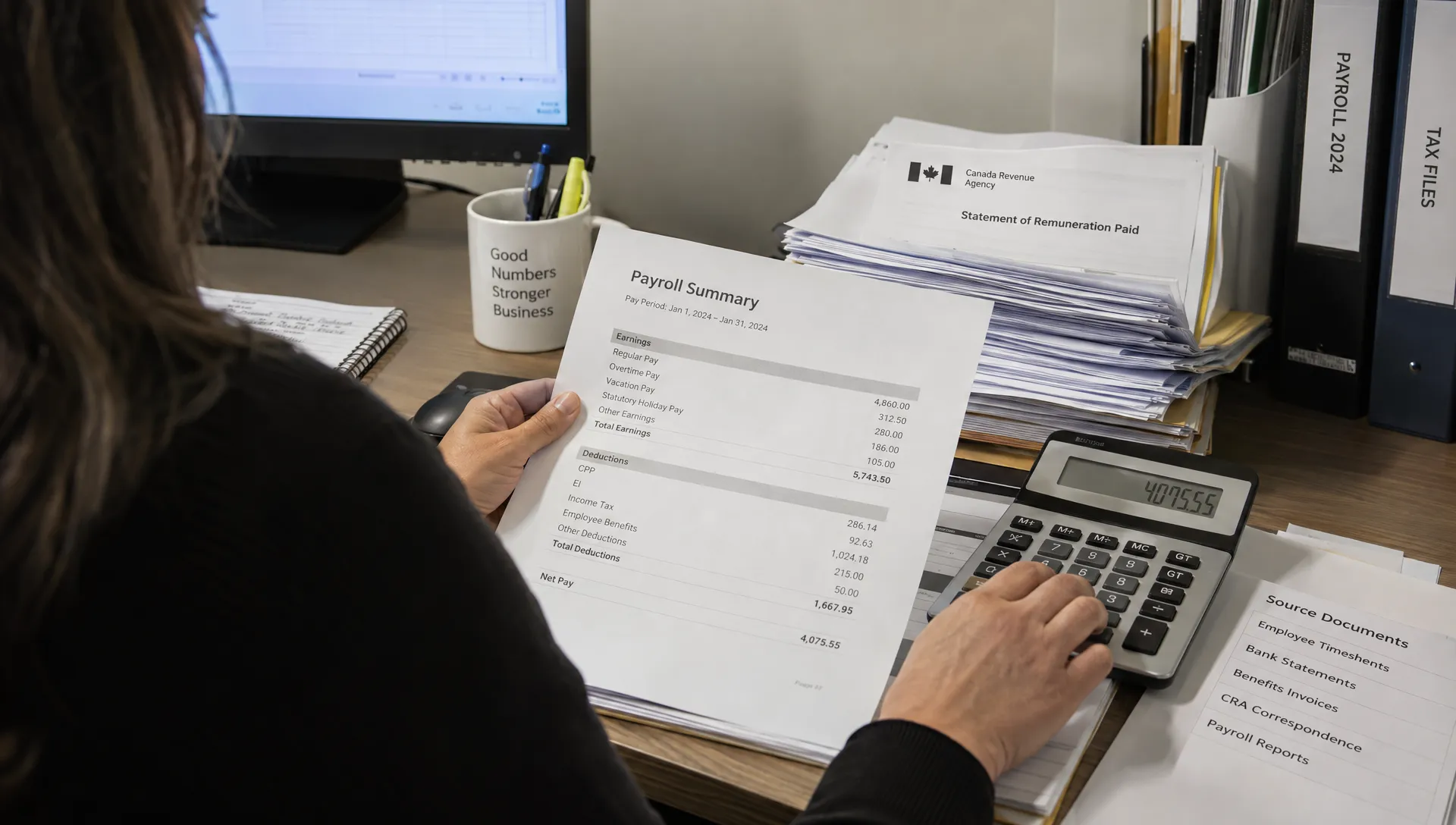
- Details of payroll, GST/HST accounts and corporate tax payments already made.
- Loan agreements, major asset purchases and significant contracts.
- Shareholder loan activity, owner reimbursements and dividends or bonuses paid.
- CRA correspondence, outstanding returns and any known filing or payment concerns.
When arranging CPA tax preparation services, ask for a tailored checklist rather than assuming every corporation needs the same package. An investment holding company and an operating company with inventory may require quite different supporting schedules.
Confirm a secure delivery method before sending records containing social insurance numbers, payroll details or banking information. Avoid sending account passwords by ordinary email. CRA representative access should be arranged through the appropriate authorization process, not by sharing your login credentials.
Agree on scope and fees before the deadline gets close
A low preparation quote is difficult to evaluate without knowing what work it includes. Ask whether the proposed fee covers only the T2 return or also year-end accounting adjustments, financial statements and a discussion of the results.
The workload can change with the quality of the books, number of entities, investment activity, shareholder transactions and specialized tax issues. Missing records or unresolved prior-year balances can add work that is not visible from the corporation’s revenue alone.
For CPA tax preparation services, request a written scope that distinguishes the following responsibilities:
| Work area | Question to ask |
|---|---|
| Bookkeeping and year-end adjustments | Who reconciles the accounts and resolves discrepancies? |
| Corporate return preparation | Which returns, schedules and taxation years are included? |
| Tax planning | Is planning advice included or quoted separately? |
| Payment guidance | Will the firm provide an estimate before the balance-due date? |
| CRA correspondence | What support is included after filing? |
| Additional work | How are scope changes approved and billed? |
There is no useful single “average CPA fee” for every Canadian corporation. A clean, straightforward return and a file requiring substantial reconstruction are different assignments. Compare quotes against the same deliverables, assumptions and record condition.
Reach Professional’s guide to what trusted tax services put in an engagement letter explains the responsibilities and boundaries worth reviewing before work begins.
Check credentials, communication and post-filing support
In Ontario, verify an individual’s CPA status through CPA Ontario’s public resources. Where relevant to the engagement, also check the firm’s registration and any required public accounting licence. The CPA Ontario website provides access to verification information.
A credential check is a starting point. Ask about experience with corporations similar to yours, who will handle the file and who reviews the work. Clarify whether the firm has capacity for your actual deadline rather than simply accepting new clients.
Remote, drop-off and in-person CPA tax preparation services can all be workable. The important differences are how records move, how questions are resolved and how you approve the final return. Ask about secure document transfer, access controls and expected response times.
Also distinguish preparation from representation. A CRA request for supporting documents is different from a reassessment or formal objection. Ask whether the firm will explain a notice, prepare a response or act as an authorized representative, and which services attract additional fees.
A prepared return does not guarantee that the CRA will accept every position. Clear records and an agreed support process make later questions easier to manage.
If you are already close to a deadline
Contact a firm now and disclose the deadline, record condition and any missing returns. Do not assume that an initial meeting means the firm has accepted responsibility for filing.
Ask for written confirmation of what can realistically be completed. If the final return cannot be prepared before the balance-due date, discuss whether a reasonable tax estimate and payment can be made while the remaining work continues. An estimate may need revision, and an underpayment can still attract interest.
Urgent CPA tax preparation services should focus first on the nearest obligations, but urgency does not remove the need for accurate information and client approval. Keep copies of payment confirmations and monitor CRA correspondence while the work is underway.
Frequently asked questions
Can I wait until six months after year-end to hire a CPA? That is generally the T2 filing window, not the payment window. Waiting that long can leave an unpaid balance outstanding and limit the time available to resolve record problems.
Does a dormant corporation still need a tax return? Most resident corporations must file a T2 every tax year, including inactive corporations, subject to specific exceptions. Confirm the corporation’s obligations rather than assuming no activity means no filing.
What is the difference between a CPA and a tax preparer? A CPA holds a regulated professional designation. “Tax preparer” describes a service role and does not, by itself, establish a particular professional qualification. Relevant corporate tax experience still matters when choosing a CPA.
Will the accountant handle a CRA review automatically? Not necessarily. Check the engagement letter for post-filing support, authorization requirements and additional fees. Preparation, review responses and formal disputes can be separate services.
Confirm your corporation’s next booking date
The best time to arrange CPA tax preparation services is before the earliest decision or payment requiring advice, with enough room to resolve missing information.
Reach Professional provides accounting, bookkeeping, tax planning and compliance services for businesses in Oakville and the GTA. Contact Reach Professional with your fiscal year-end, bookkeeping status and upcoming transactions to discuss the appropriate scope and timing for your corporation.